 by
by Rapid chess is a thrilling format that demands quick thinking, sharp instincts, and excellent time management. With players typically having just 10 to 25 minutes on the clock, making the best use of every second is key to success. Whether you’re playing online or over-the-board, here are some valuable tips to help you manage your time more effectively during rapid games.
1. Know Your Openings
One of the easiest ways to save time is by mastering a few reliable opening systems. Familiarity allows you to make the first 8–10 moves quickly and confidently. Choose solid and less theory-heavy openings that you can play without overthinking.
2. Develop a Thinking Routine
Before making a move, ask yourself: What’s my opponent threatening? What’s my plan? Keeping a consistent internal checklist will help you avoid blunders and make quicker decisions with confidence.
3. Practice Intuition
Rapid games are not about calculating every line to the end. Train your intuition through pattern recognition exercises and tactics drills. The more positions you recognize, the faster you’ll respond under time pressure.
4. Play Increment-Style Games
Many rapid formats include a small time increment (e.g., 10+5). Learn to use this increment wisely—move fast when possible, and bank a few extra seconds for critical positions later.
5. Time Budgeting
Try to reach the middlegame with at least 50% of your time. Avoid spending too long in the opening unless you’re facing an unexpected move. Set informal time goals for each phase of the game and try to stick to them.
6. Practice with a Clock
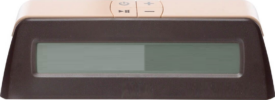
If you usually play without a timer, you’ll struggle in real rapid scenarios. Use online tools or physical clocks in practice to get used to time pressure. It will sharpen your ability to play strong moves under constraints.
7. Use Your Opponent’s Time
Even when it’s not your move, you should be planning your next steps. If you wait until your opponent moves before thinking, you’re wasting valuable planning time.
8. Avoid Overthinking Winning Positions
If you’re clearly ahead (material or positionally), don’t overanalyze—simplify the game and convert your advantage smoothly. Spending too much time in already-won positions can backfire.
9. Stay Calm in Time Trouble
Panicking leads to blunders. Breathe, stay focused, and stick to simple and safe moves. You’d be surprised how many games are lost due to an opponent’s rushed mistakes in the final seconds.
Here are two famous rapid chess games lost on time, showcasing how even top players can fall victim to the clock:
1. Viswanathan Anand vs. Magnus Carlsen
World Rapid Chess Championship 2019
In a crucial round of the 2019 World Rapid Championship, Viswanathan Anand, despite having a strong position against Magnus Carlsen, lost on time. Anand was trying to calculate deeply in a tense middlegame, but his clock ticked down unexpectedly fast. Carlsen remained calm, and Anand flagged—showing how vital clock management is, even for legends.
2. Hikaru Nakamura vs. Ian Nepomniachtchi
Saint Louis Rapid & Blitz 2021
In this fast-paced encounter, Nakamura, known for his speed, was pushing hard against Nepomniachtchi, but in a complex endgame, he overthought a series of moves and ran out of time. The loss surprised many, as Hikaru is known for his blitz and rapid prowess, but it proved how tricky the rapid format can be.
10. Review Your Games
Analyze your rapid games afterward to see where you wasted time or moved too quickly. Use that feedback to improve your decision-making speed in future games.
Time management in rapid chess is a blend of preparation, discipline, and practice. Mastering the clock is just as important as mastering your pieces. By applying these tips, you can turn the ticking clock from an enemy into an ally.
Stay sharp and rapid-ready — and for premium chess sets and gear to enhance your practice, visit ChessBox.in and explore our curated collection!