 by
by Moves:
1.d4 d5 2.Bf4
Why it works:
- repeatable structure
- safe and reliable
- less theory-heavy
Best for:
Positional beginners
As Black
3. Scandinavian Defense
Moves:
1.e4 d5
Why it works:
- immediate center challenge
- simple plans
- aggressive but understandable
Best for:
Confident beginners
4. Caro-Kann Defense
Moves:
1.e4 c6
Why it works:
- solid structure
- safe king
- fewer tactical disasters
Best for:
Long-term improvement
Mistakes to Avoid
Don’t:
- memorize 20 moves blindly
- play random gambits only
- switch openings every week
- ignore endgames
- study openings without understanding plans
Do:
- learn ideas, not just moves
- review your own games
- repeat the same opening consistently
- study model games
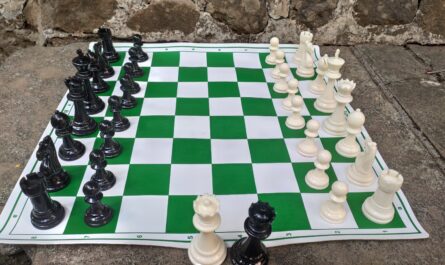
- use a physical board for deeper retention
Strategic Framework for Faster Improvement
70–20–10 Rule
- 70% practical games
- 20% game review
- 10% opening study
This works far better than theory obsession.
Final Strategic Recommendation
The best beginner opening is not the “strongest engine move.”
It is the opening you understand well enough to play confidently.
For most players:
Best White Opening:
Italian Game
Best Black Opening:
Caro-Kann or Scandinavian
Best System Opening:
London System
Consistency beats complexity.
Confidence beats memorization.
Understanding beats traps.
That is how beginners actually start winning games.
For coaches, academies, and chess brands, opening education is one of the strongest trust-building content pillars because it solves an immediate problem players actively search for.
For ChessBox.in, this topic creates the perfect bridge between:
education + engagement + product discovery.
That is where long-term organic growth happens.