 by
by A Grandmaster-Level Preview of the Youngest World Title Match in History
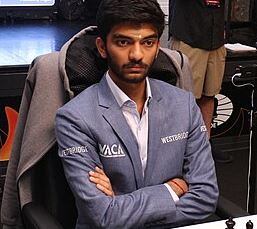
The upcoming World Chess Championship 2026 between defending champion D Gukesh and challenger Javokhir Sindarov is not just another title match—it is a symbolic passing of the torch.
Gukesh, the reigning World Champion and the youngest undisputed champion in history, will defend his crown against Uzbekistan’s fearless and brilliantly prepared Javokhir Sindarov, who won the 2026 Candidates Tournament with a dominant score and secured the right to challenge for the title. Sindarov won the Candidates with a round to spare and finished with a record score in the current format, setting up this match against Gukesh.
This may be the youngest classical World Championship match ever, with a combined age of just 39.
As someone who studies elite classical chess deeply, I see this as a fascinating clash of two different kinds of strength.
♔ Player 1: D Gukesh – The Champion
Style of Play: Controlled Fire
Gukesh is not a flashy player in the traditional sense. His strength lies in:
- Deep calculation under pressure
- Exceptional endgame resilience
- Calmness in worse positions
- Strong opening preparation
- Psychological toughness in long matches
He is a “match player,” not just a tournament player.
That distinction matters.
In World Championship matches, the player who can survive bad positions and remain emotionally stable often wins. Gukesh proved exactly that in his title-winning run.
Strengths
1. Defensive Resourcefulness
He often saves positions others would lose.
This frustrates opponents and creates psychological fatigue.
2. Endgame Technique
Among the best in the world for his age.
He converts small advantages with extraordinary maturity.
3. Emotional Stability
Very rarely tilted by losses.
This is a championship-level quality.
4. Practical Decision-Making
He doesn’t always choose the engine’s first line—he chooses the best human move.
That wins matches.
♘ Player 2: Javokhir Sindarov – The Challenger
Style of Play: Dynamic Precision
Sindarov is a different beast.
He combines:
- Tactical sharpness
- Excellent initiative-based play
- Fearless attacking instincts
- High-level opening aggression
- Exceptional preparation against elite opponents
His Candidates performance showed not just strength—but authority.
He won the event unbeaten and with a round to spare, a statement performance against the world’s best.
Strengths
1. Opening Preparation
This may be his biggest weapon.
He often gets practical advantages early.
2. Tactical Awareness
Very dangerous in unbalanced positions.
He thrives when the game becomes messy.
3. Confidence Against Elite Players
He does not fear big names.
That matters enormously.
4. Momentum
Candidates winners often enter the title match with enormous psychological confidence.
Sindarov has exactly that.
Even Magnus Carlsen publicly backed Sindarov, saying Gukesh has weaknesses that Sindarov does not.
⚔️ Head-to-Head Match Dynamics
This is not simply:
“Who is stronger?”
It is:
“Whose strengths matter more in a long match?”
That is the real question.
Key Battle Areas
1. Opening War → Advantage Sindarov
Sindarov is currently sharper in early preparation.
If he gets repeated opening pressure, Gukesh could suffer.
2. Endgames → Advantage Gukesh
If games simplify, Gukesh becomes extremely dangerous.
He is slightly superior here.
3. Match Nerves → Advantage Gukesh
Gukesh has already survived the World Championship furnace.
Sindarov has not.
This is huge.
4. Psychological Pressure → Slight Advantage Gukesh
Defending is difficult, but knowing you belong on that stage matters.
Experience matters.
5. Momentum → Advantage Sindarov
Candidates winners often arrive “hot.”
Gukesh must absorb that early storm.
ChessBox’s Prediction as a Chess Grandmaster
Slight Edge: Gukesh (52–48)
This is extremely close.
If this were a tournament, I might even favor Sindarov.
But a World Championship match is different.
It rewards:
- patience
- nerve
- recovery after mistakes
- emotional discipline
These are elite Gukesh qualities.
Sindarov may outprepare him in openings.
But over 14 classical games, I trust Gukesh’s match temperament slightly more.
ChessBox’s prediction:
Gukesh retains the title
likely after tiebreak tension or a very narrow classical margin.
Something like:
7.5 – 6.5
or
Rapid tiebreak victory
Final Thought
This match may define the next decade of chess.
Not Carlsen.
Not Ding.
Not the old guard.
This is the battle of the next era.
India vs Uzbekistan.
Champion vs Challenger.
Patience vs Fire.
And honestly—
this could become one of the greatest World Championship matches of the modern era.
ChessBox’s Question to Readers:
Who do YOU think wins?
♔ Gukesh – the proven champion
or
♘ Sindarov – the unstoppable challenger?